
The Spyker heritage
The origin
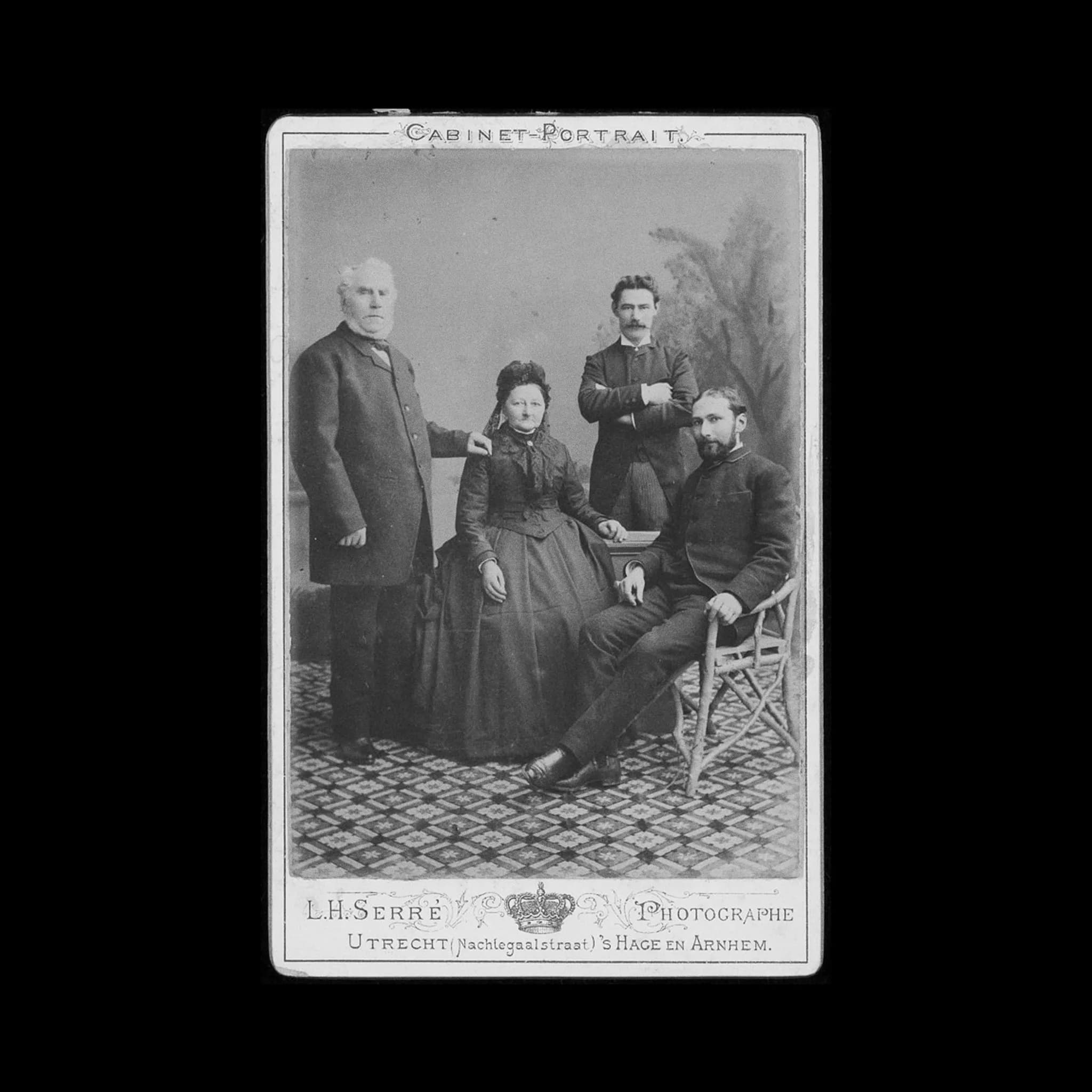
Hendrik Jan and Jacobus Spijker were blacksmiths, trained to read metal by touch, to know from the sound of a hammer whether the work was right. It was this discipline, that led them to Hilversum and into coachbuilding, and it is this discipline that has never really left the marque since. Word of their bespoke carriages travelled quickly, and not only within the Netherlands. Clients from across Europe came to Hilversum, because the hand behind the work could be trusted. That trust extended into public life too, into the horse-drawn city trams that carried the people of Amsterdam through their everyday hours, proof that precision was never reserved for the privileged few.
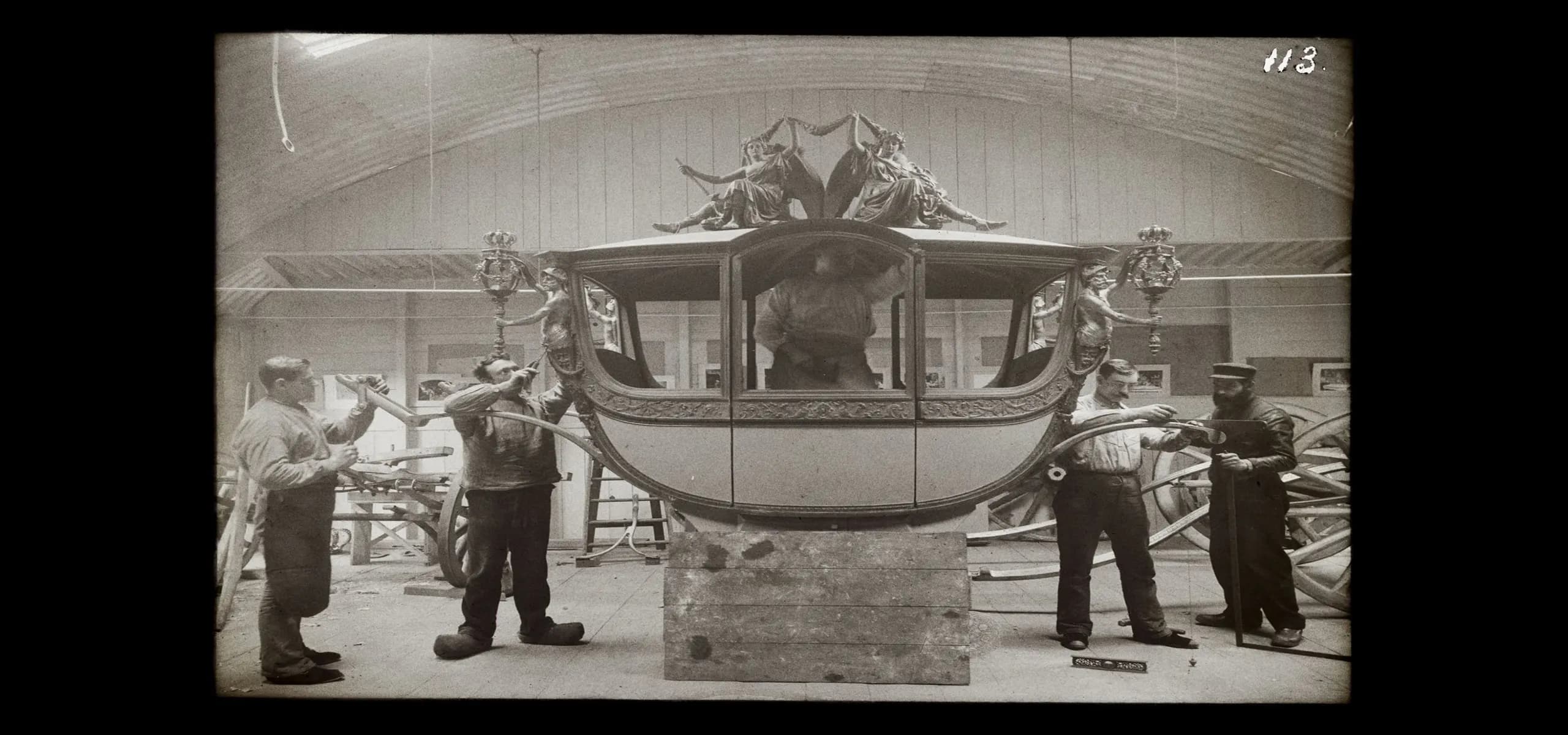
The Golden State Coach
If Spyker needed a single moment to announce itself, this was it. The Golden State Coach, built for Queen Wilhelmina, was as opulent as anything the Netherlands had commissioned, and it remains, remarkably, in active service today. It appears each year on Prinsjesdag (Princes Day), when the government's plans for the year ahead are read aloud, and it headed the wedding procession of King Willem-Alexander in 2002.
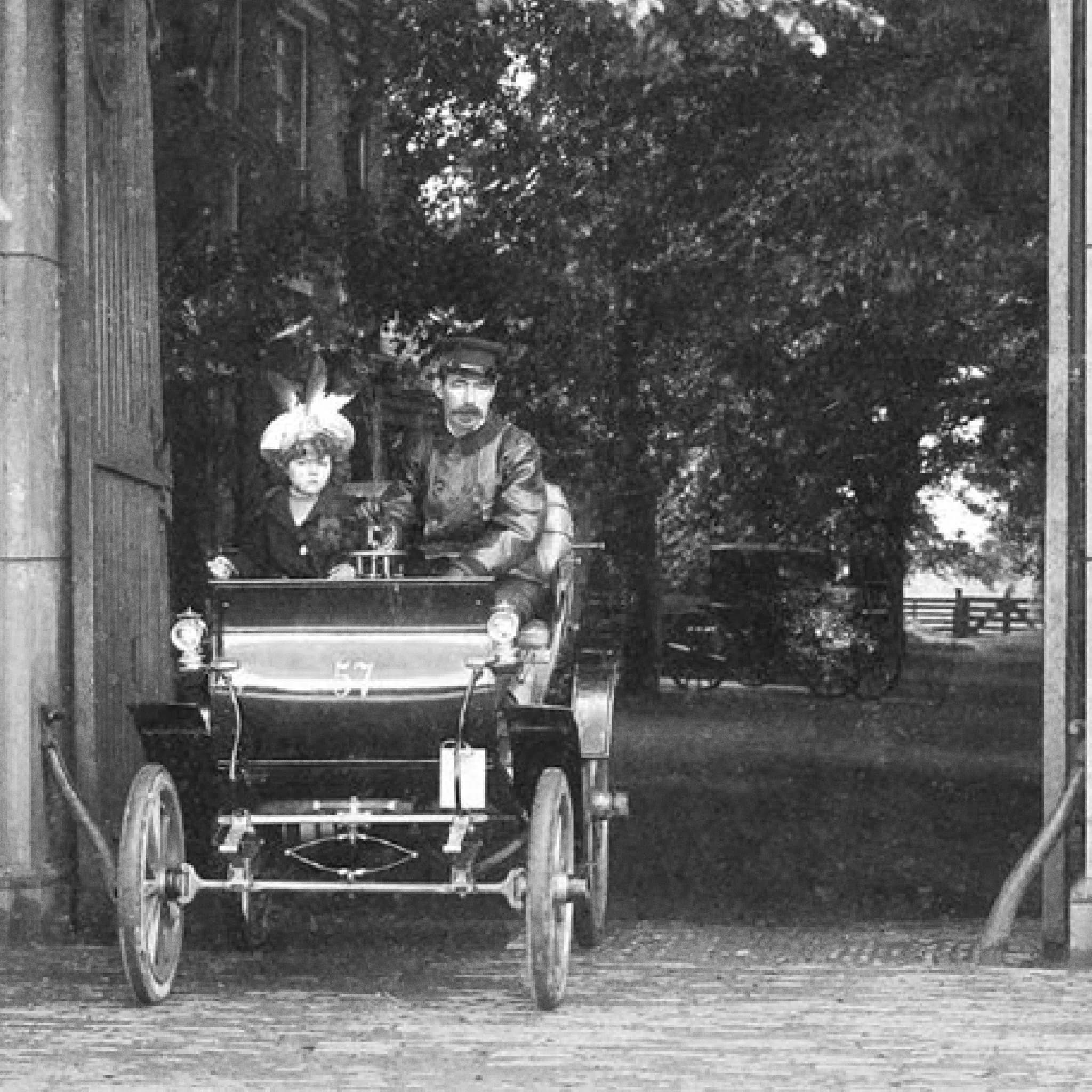
The First Spyker Motorcar
The Spijker brothers' next technological innovation was the combustion engine. Their first motorcar, built around a one cylinder Benz engine, arrived with bodywork shaped entirely by hand, and it was this bodywork, more than the mechanics beneath it, that people spoke of. Spyker had not set out to build the fastest car. It had set out to build the best one, and for a brand still finding its feet in a new industry, that distinction mattered more than anything on a spec sheet.
A World First
Then came a car that rewrote automotive history: The Spyker 60HP Grand Prix racer introduced the world's first six-cylinder, four-wheel-drive automobile with four wheel brakes. A configuration so far ahead of its time that competitors would take decades to catch up. It is easy, from a distance, to read this as an engineering footnote. At the time, it was closer to an act of faith: a small Dutch coachbuilder deciding that the established rules of the automobile simply did not apply to them.
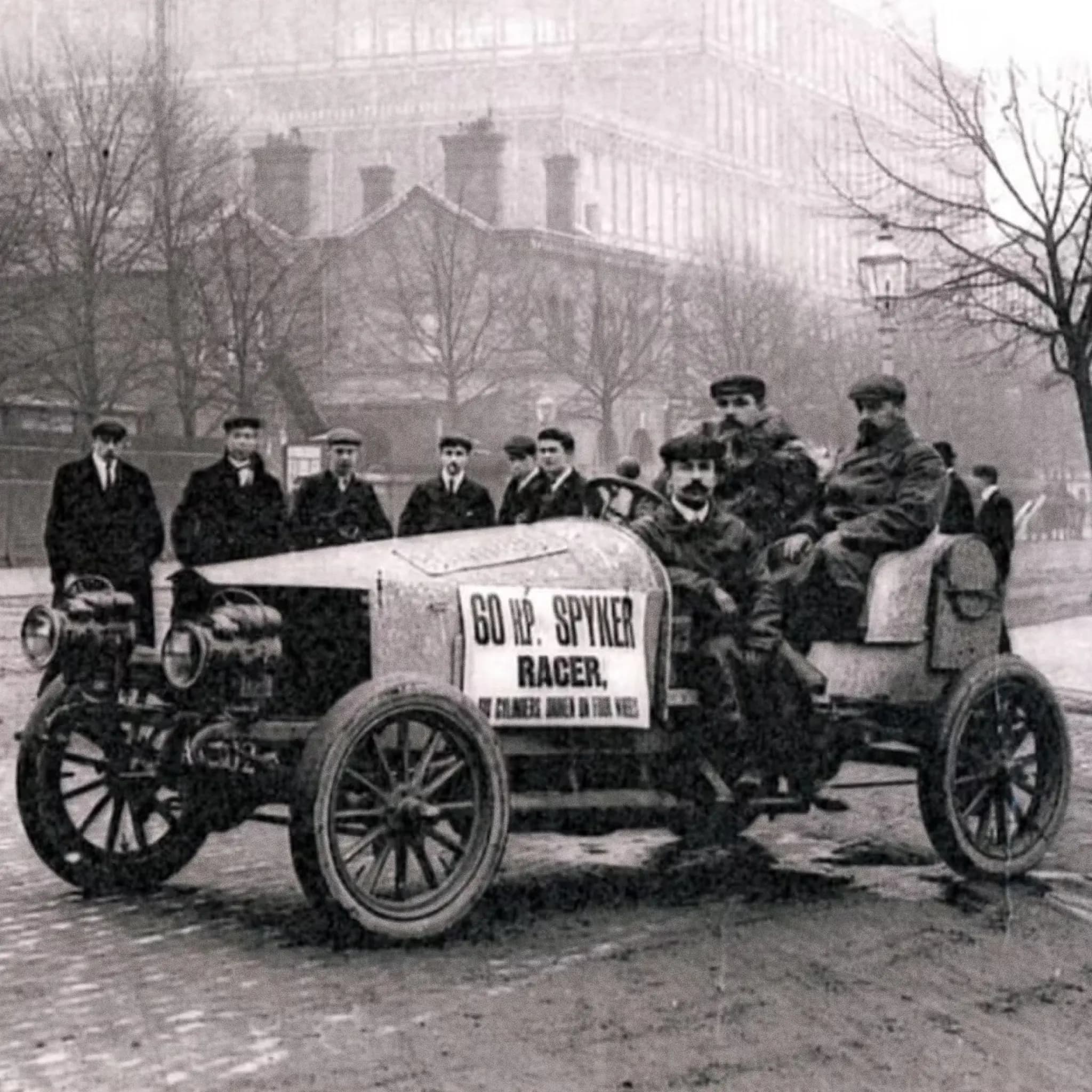
The World's First Six-Cylinder
The engine itself, shown to admiring crowds in London and Paris, was born from a very particular kind of restlessness, the pursuit of more power delivered with less effort, more speed carried with more composure. It is the same pursuit, in different form, that still defines the brand today.
Brighton Speed Trials
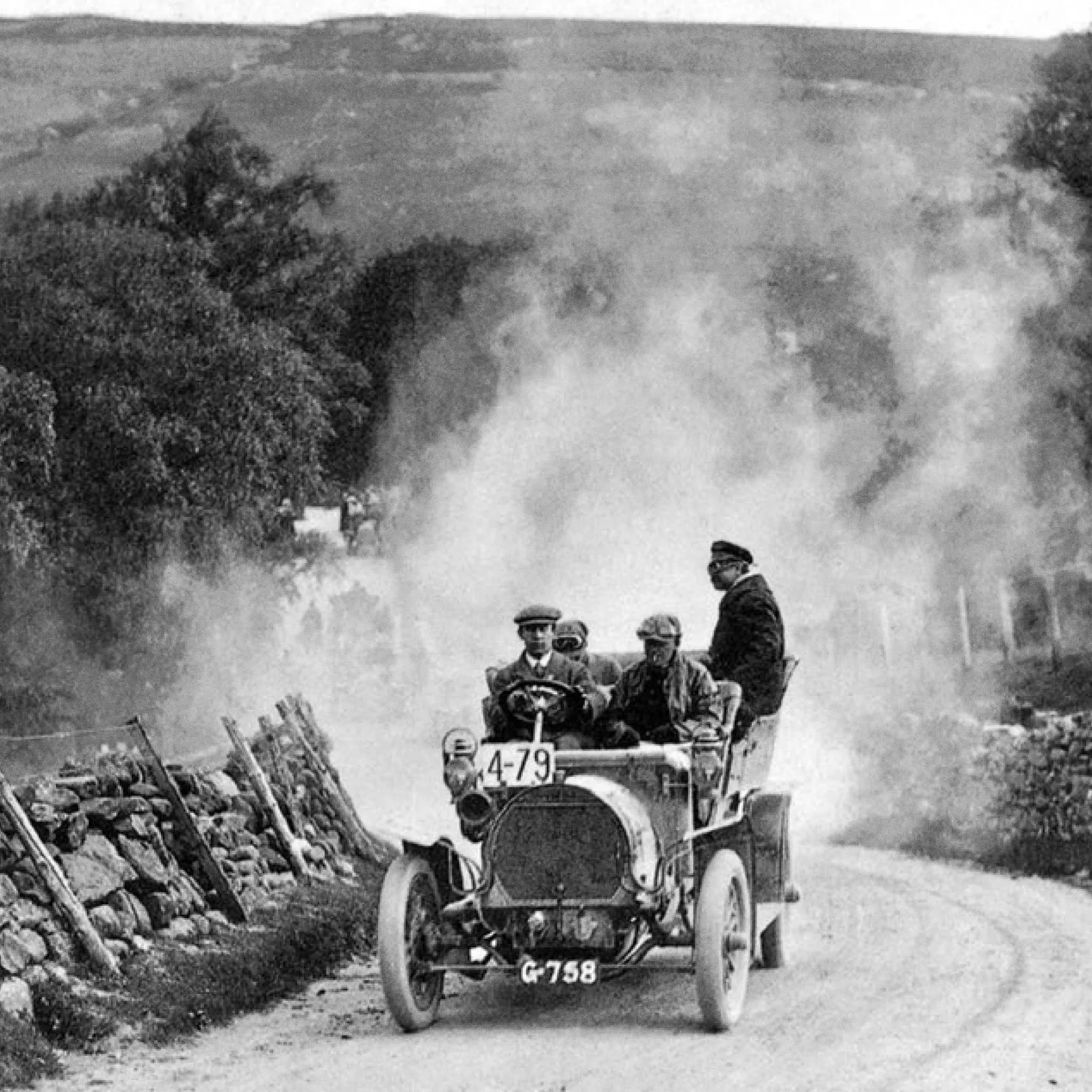
By the time Spyker entered the Brighton Speed Trials, among the very first organized motor races in England, its cars had already taken on a signature look: a rounded radiator grille, softer and more distinctive than anything else on the grid. It was a small detail, but it was Spyker's own, and it would go on to shape the marque's face for generations.
Peking to paris
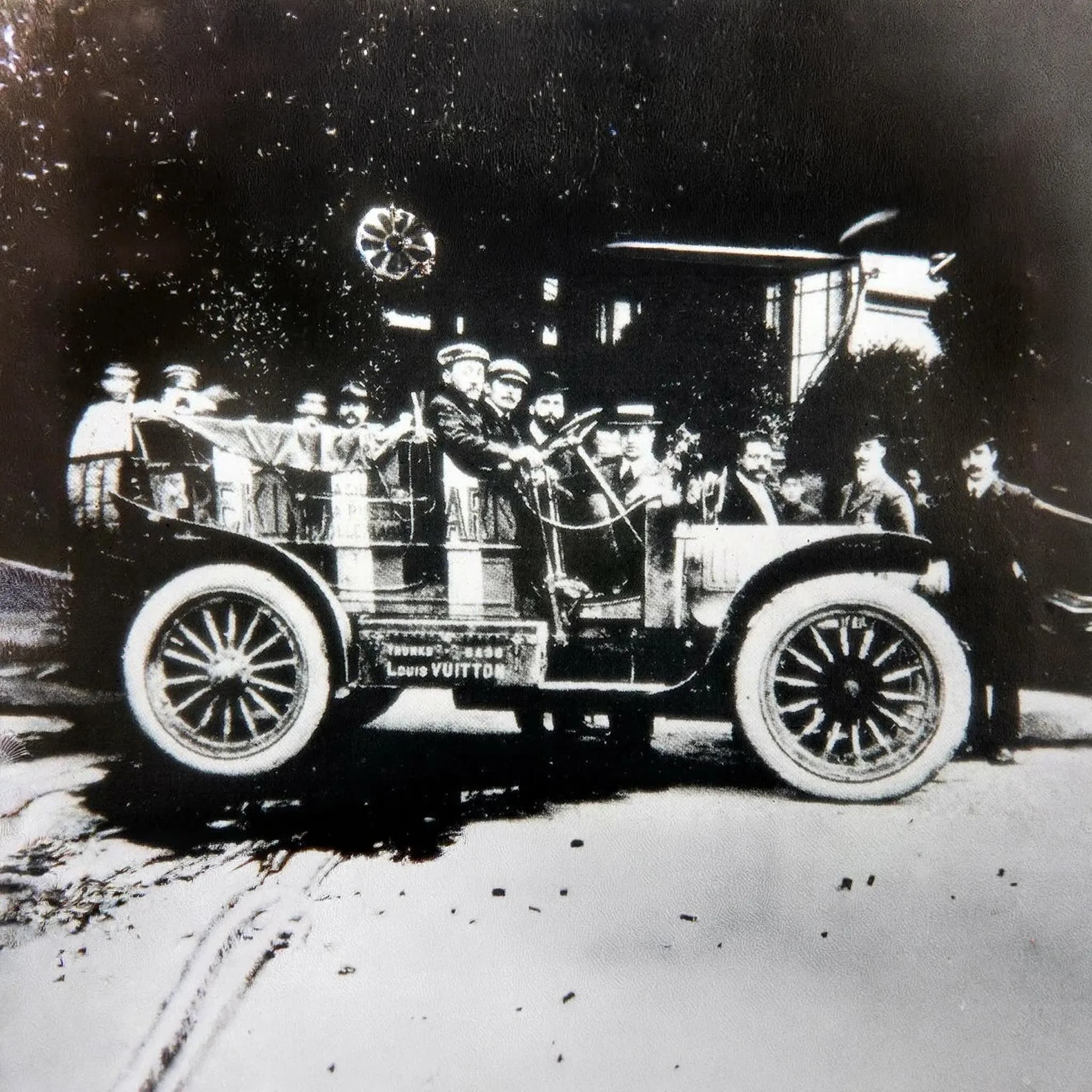
Few endurance tests in history have asked as much of a car as the Peking–Paris raid. In February, a Spyker 14/18 HP set out across roughly 15,000 kilometres of terrain that had, in most places, never carried a wheeled vehicle at all. French driver Charles Goddard took the seat, and Louis Vuitton supported the entry, an early and rather elegant instance of one house recognising the ambition of another. There was no infrastructure to rely on here, no service stations, no certainty. There was only the car, and whether it had been built well enough to Survive.
Second Place
By August, it had. The Spyker crossed the line in second place, having covered a continent that most manufacturers would not have dared attempt. No single trophy could quite capture what that finish represented: a hand-built Dutch car, tested against distance, weather, and terrain with no allowances made for any of them, proving itself entirely on its own terms. It remains one of the earliest and most demanding long-distance competitions in motoring history, and Spyker's name is still attached to it. And it will be again…
Laviolette Engine
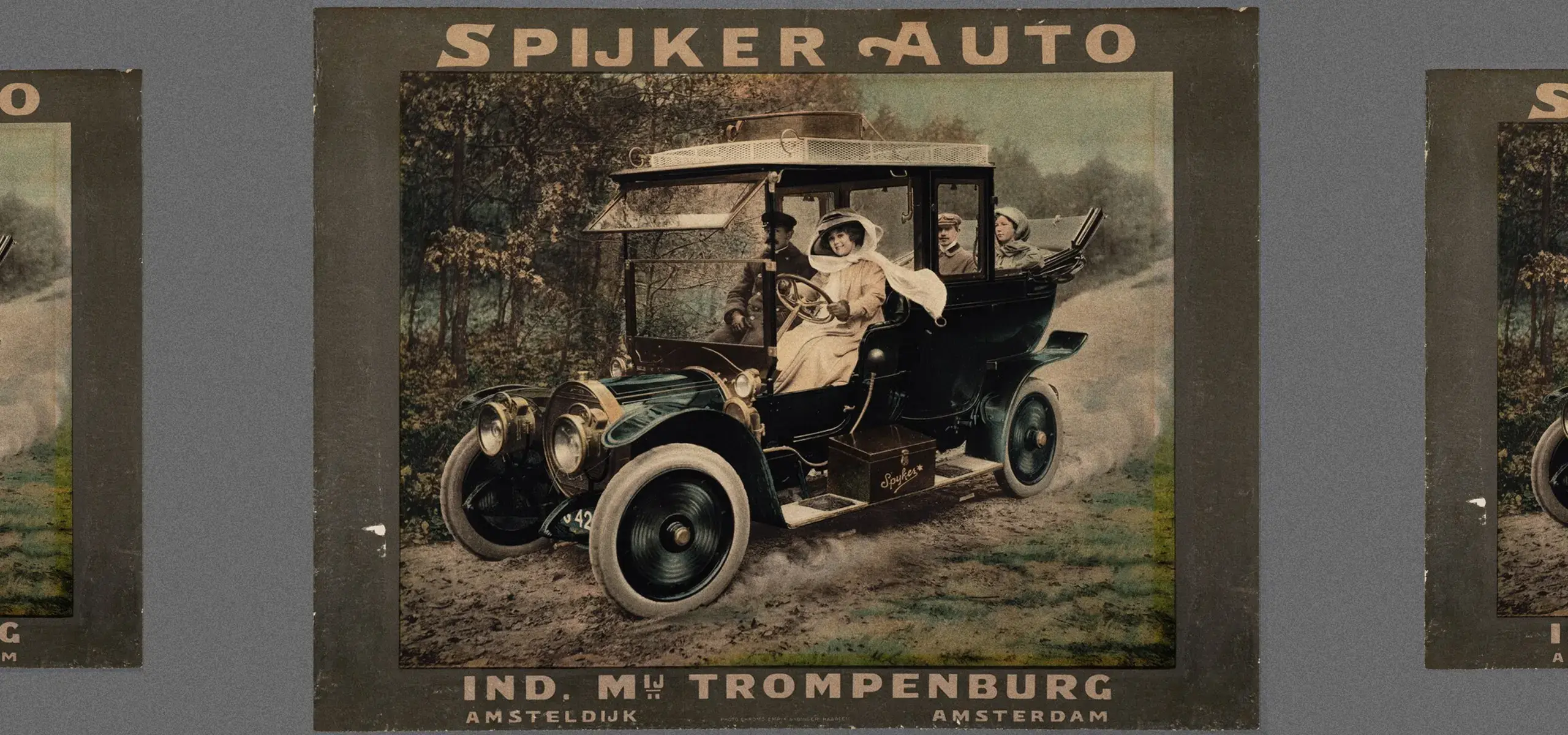
Spyker's engineering never stood still for long. In 1910, Belgian engineer Joseph Valentin Laviolette designed a new mono-bloc four-cylinder engine for the marque, its transverse camshafts set between the cylinder pairs in a configuration few others had attempted. It was a genuine technical departure, not an incremental update, and it gave Spyker a mechanical identity distinct from anything else on the road at the time.

Refined Touring Cars
Around this engine, Spyker built a new generation of touring cars, their coachwork increasingly enclosed as expectations of comfort began to shift. What is easy to miss is how naturally the marque managed this transition. The instincts of carriage building, warmth, comfort, a sense of occasion, sat comfortably alongside modern automotive engineering, because at Spyker they had never really been separate disciplines to begin with.
Aviation
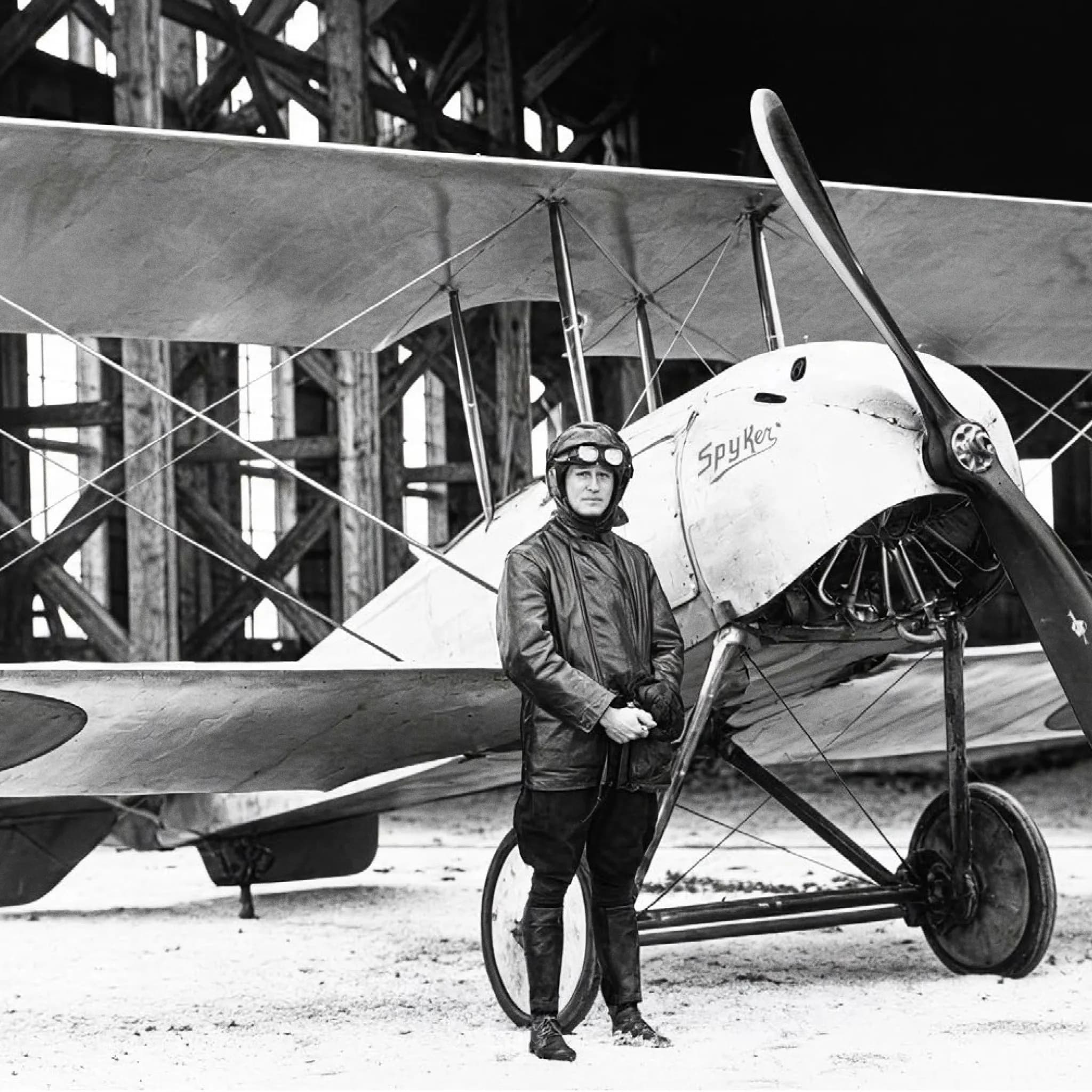
In 1914, Spyker merged with the Dutch Aircraft Factory N.V., and with that merger came an axiom the marque has carried ever since: Nulla Tenaci Invia Est Via. For the tenacious, no road is impassable. It was more than a motto. Through the First World War, Spyker built fighter aircraft and their engines, the same precision once spent on carriages and cars now turned toward flight. The emblem born from this period, a propeller crossing a spoke wheel, still marks every Spyker made today, a reminder that this marque has always measured itself by more than one kind of horizon.
C1 Aerocoque
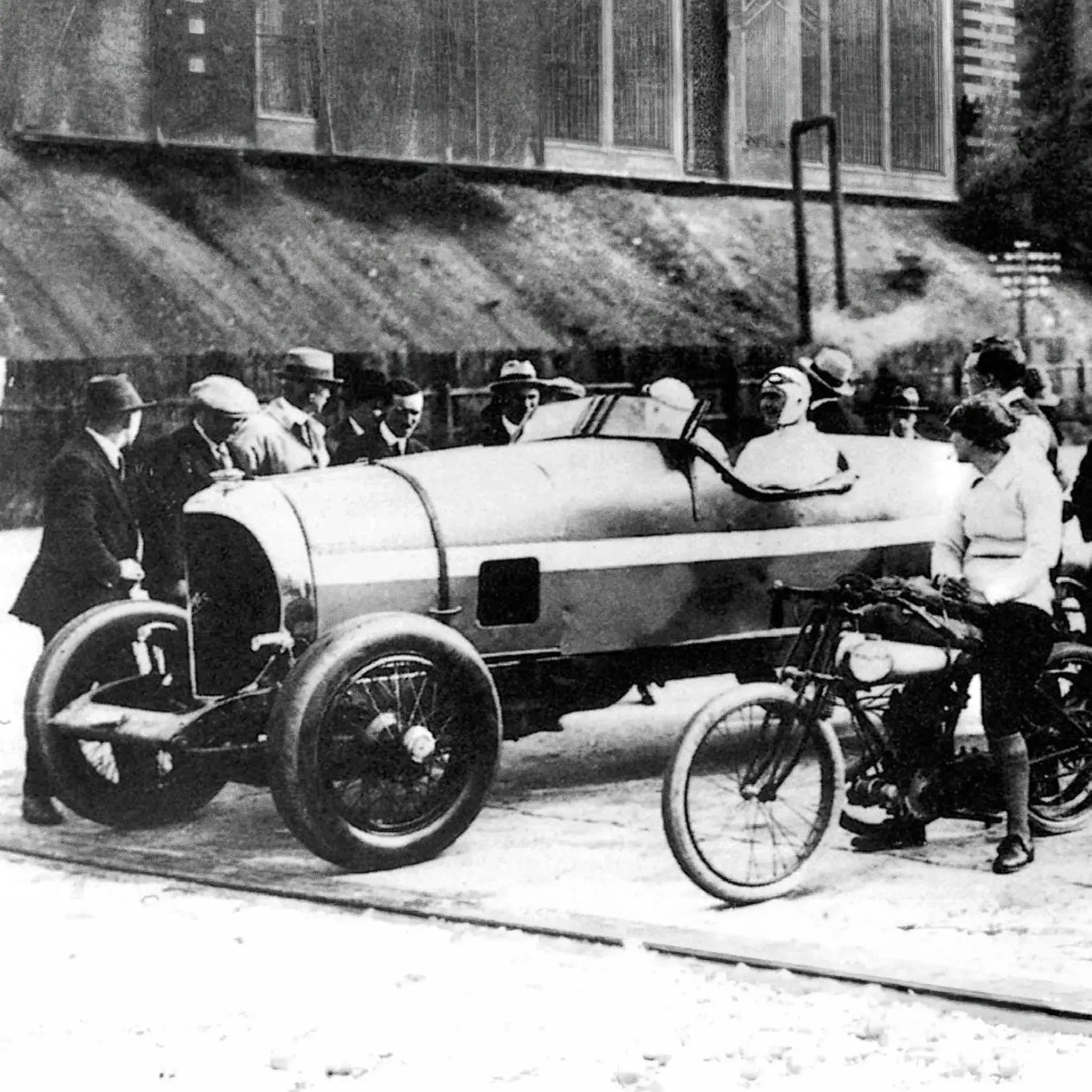
After the war, Spyker showed something the public had never quite seen before: the C1 Aerocoque, a two-seater with a hand-shaped aluminium fuselage drawn directly from the marque's aviation designs. It was conceived as a show car and built only in the smallest numbers, which may be exactly why it has endured in memory the way it has. In 1919 at the First Aviation Exhibition Amsterdam (ELTA), Spyker presented its V2 training aircraft, a V3 fighter and a nine-cylinder aircraft engine, alongside the C1 aerocoque, showing the seamless integration of aviation and automotive capabilities.
Breaking the Rolls-Royce Record
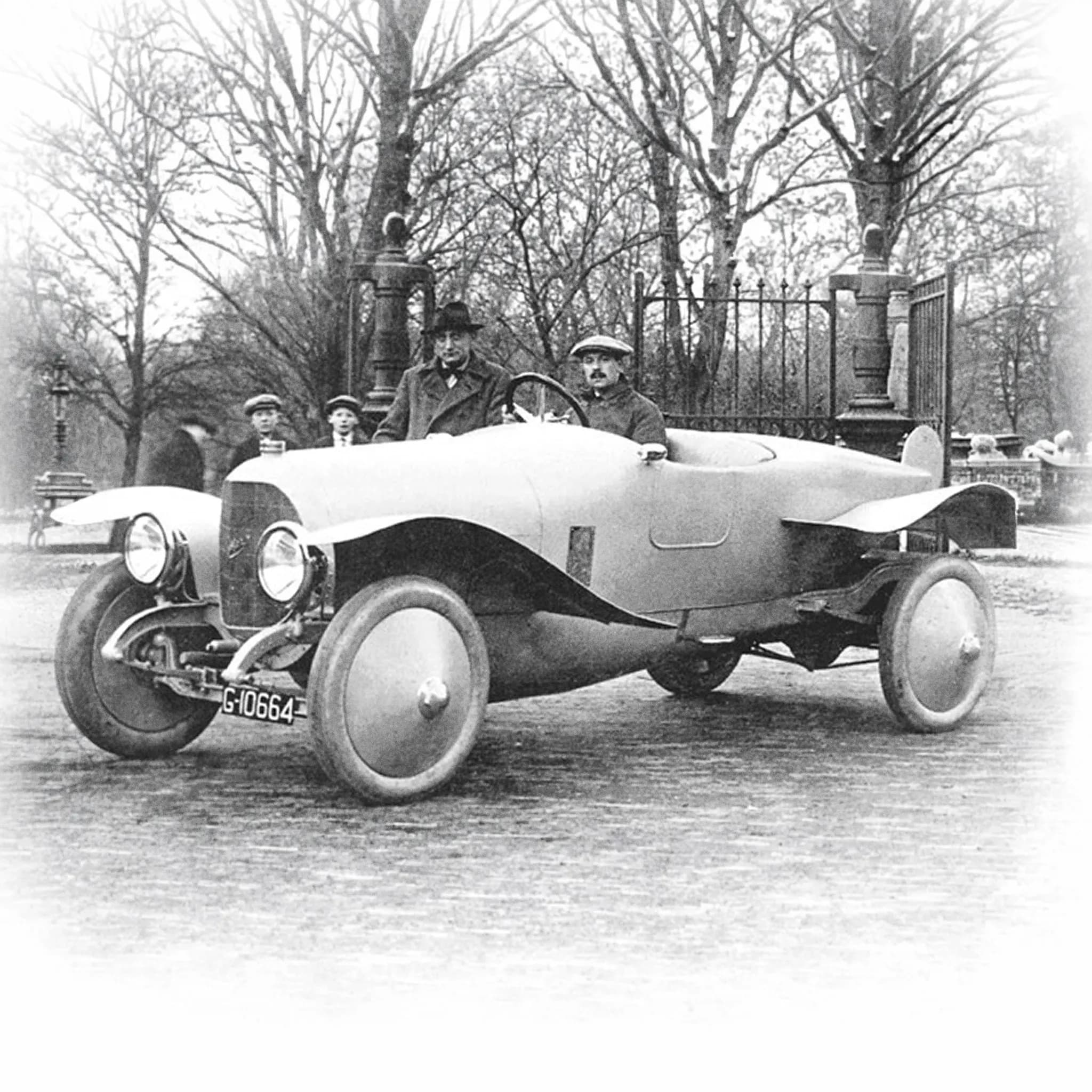
Some records are broken by a narrow margin. This one was not. A Spyker C4 covered 30,360 kilometres through the harshest of Dutch winter conditions, in just over a month, surpassing the standing Rolls-Royce endurance record by more than 6,000 kilometres. The car asked for no favourable weather and was given none. It simply kept going.
The Speed Record
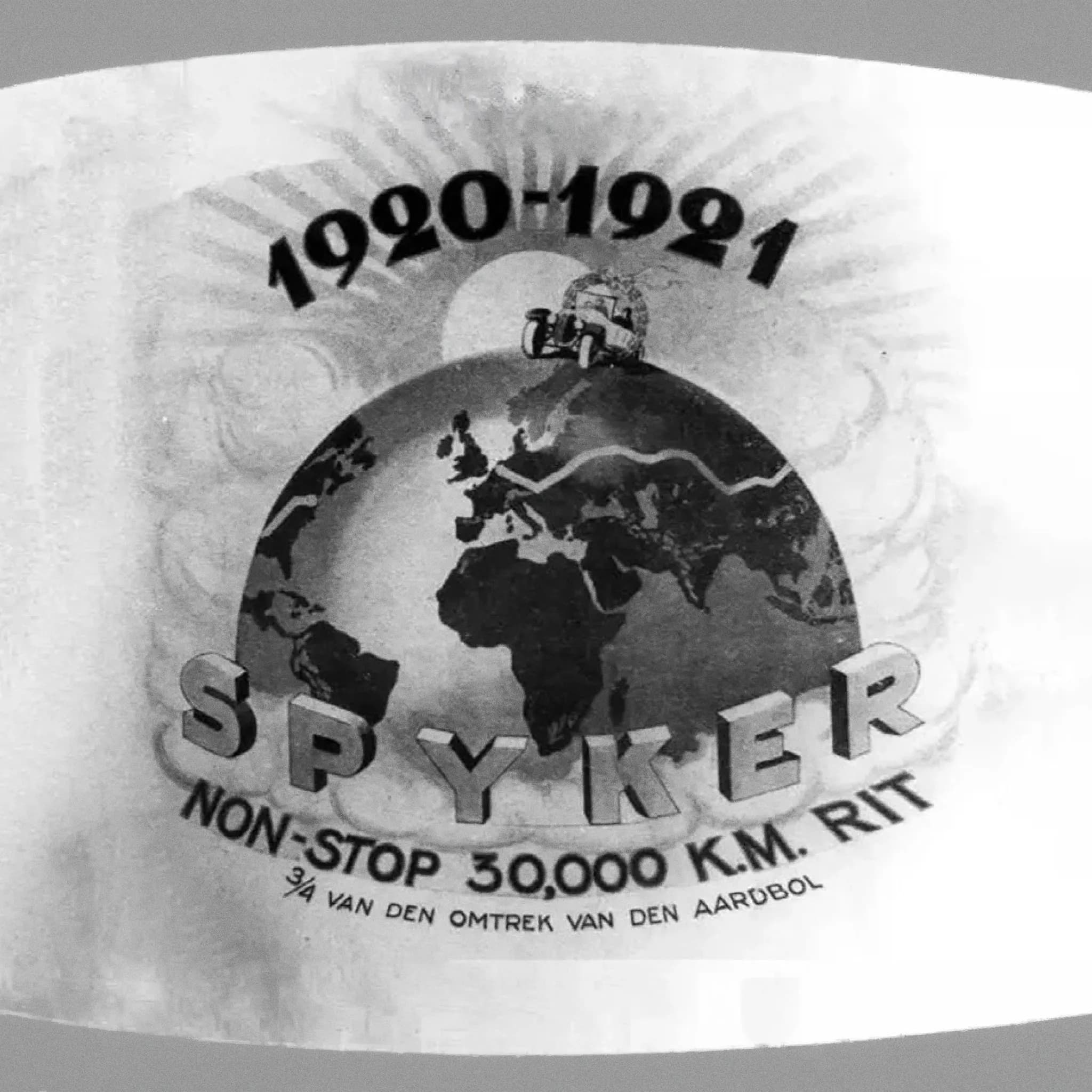
Selwyn Edge, one of the most respected racing drivers of his generation, chose a streamlined Spyker C4 to challenge an average speed record that had stood, untouched, since 1907. He succeeded, holding 120 km/h across two consecutive twelve-hour periods, a demand on both car and driver that few machines of the era could have withstood. The standard C4, never intended as a race car at all, went on to claim its own quiet list of victories, among them the hill climb at La Turbie, above Monte Carlo, proof that everyday Spykers carried more of that same spirit than their badge ever let on.
The return
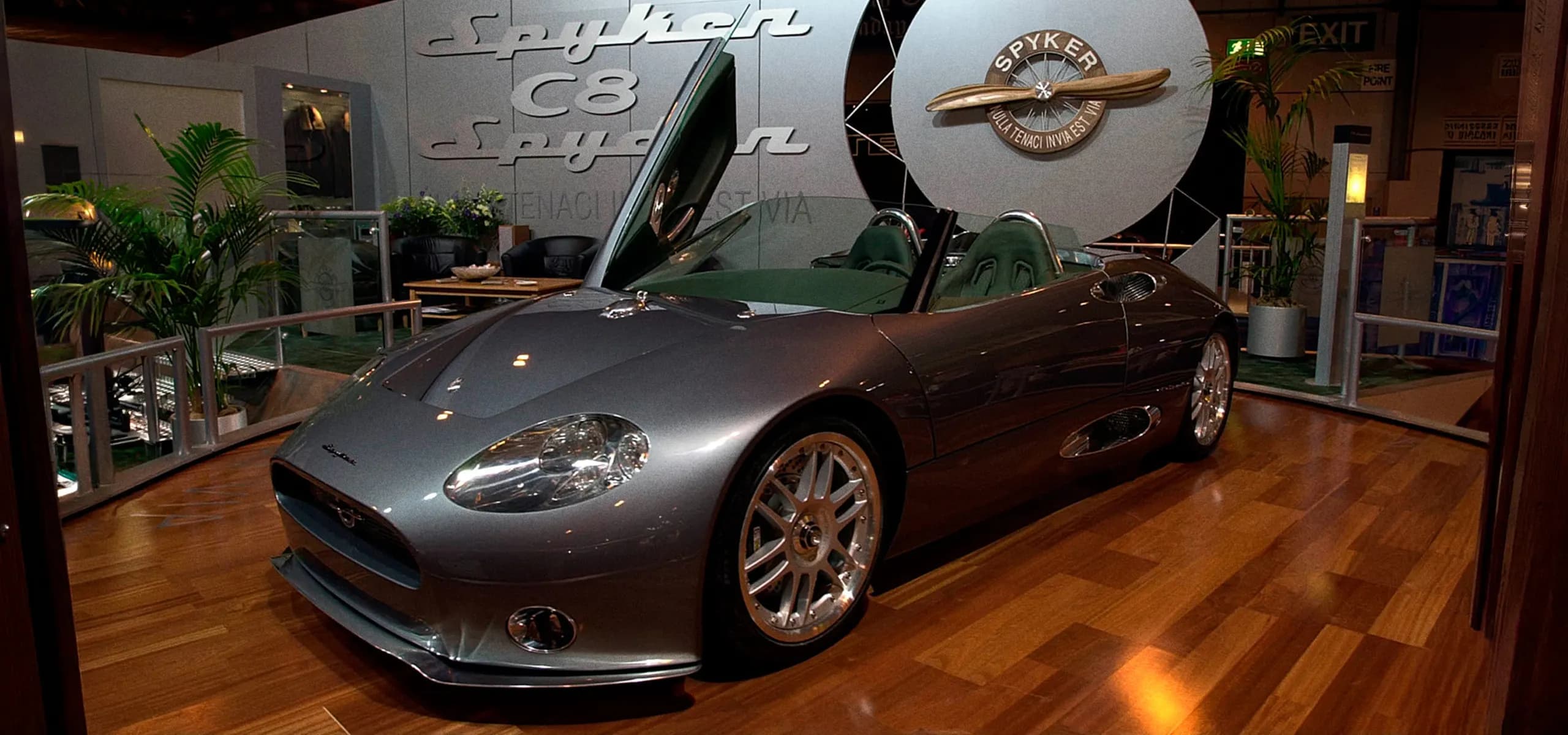
Seventy-five years is a long time for a name to lie dormant, long enough for most brands to be forgotten entirely. Spyker was not. Dutch entrepreneur and avid car collector Victor R. Muller brought the marque back, and on 17 October 2000, Spyker presented the C8 Spyder at the British International Motor Show in Birmingham. Spyker immediately won acclaim with its striking design and won the 2000 Institute of Vehicle Engineers Design Award on October 18 2000. Spyker was off to a good start.
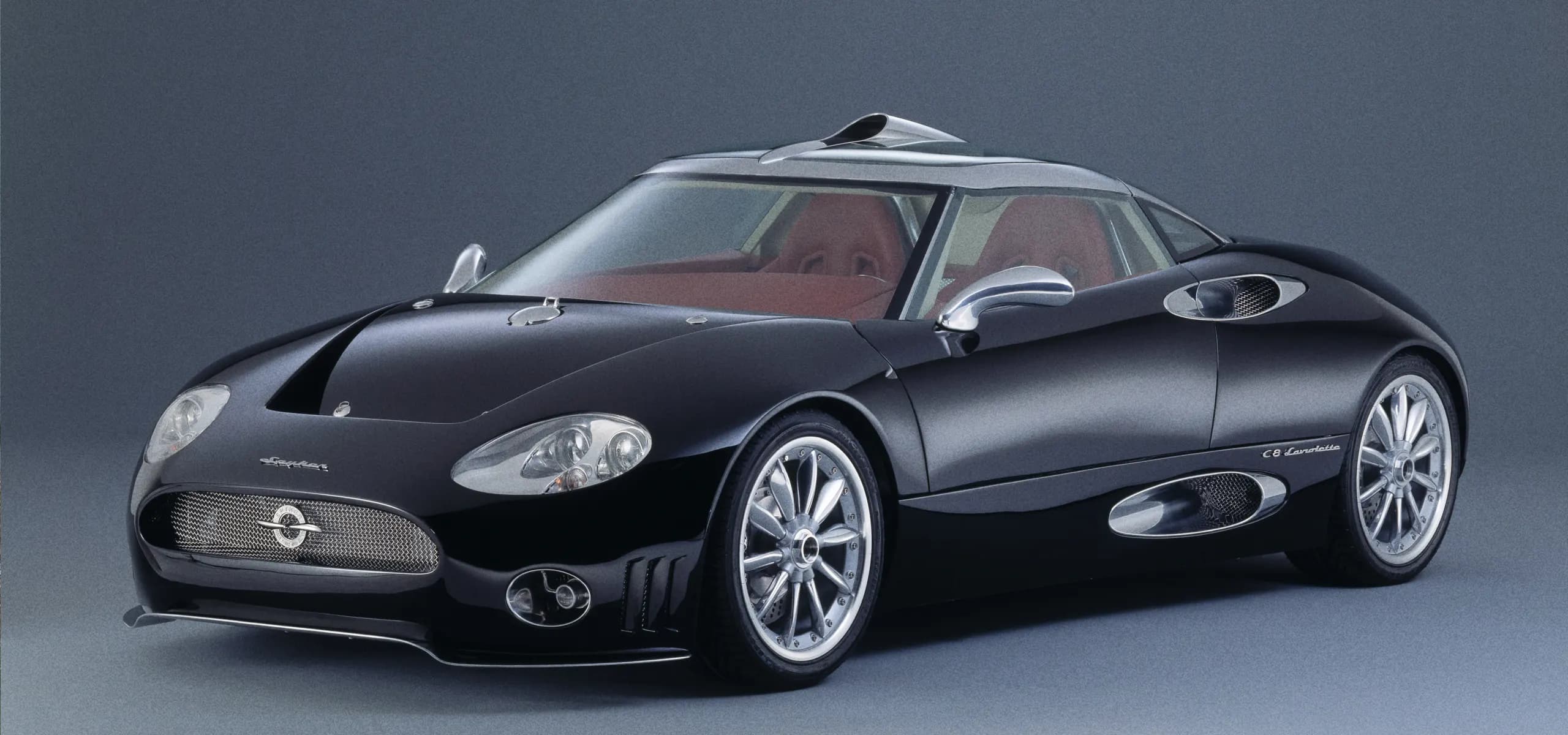
Spyker C8 Laviolette
Named for the engineer behind Spyker's 1910 engine, the C8 Laviolette gave the new C8 Spyder a closed-roof counterpart, and did so with enough conviction to become one of the most distinctive hand-built sports cars of its era, a car that looked back at the marque's own engineering history rather than borrowing someone else's.
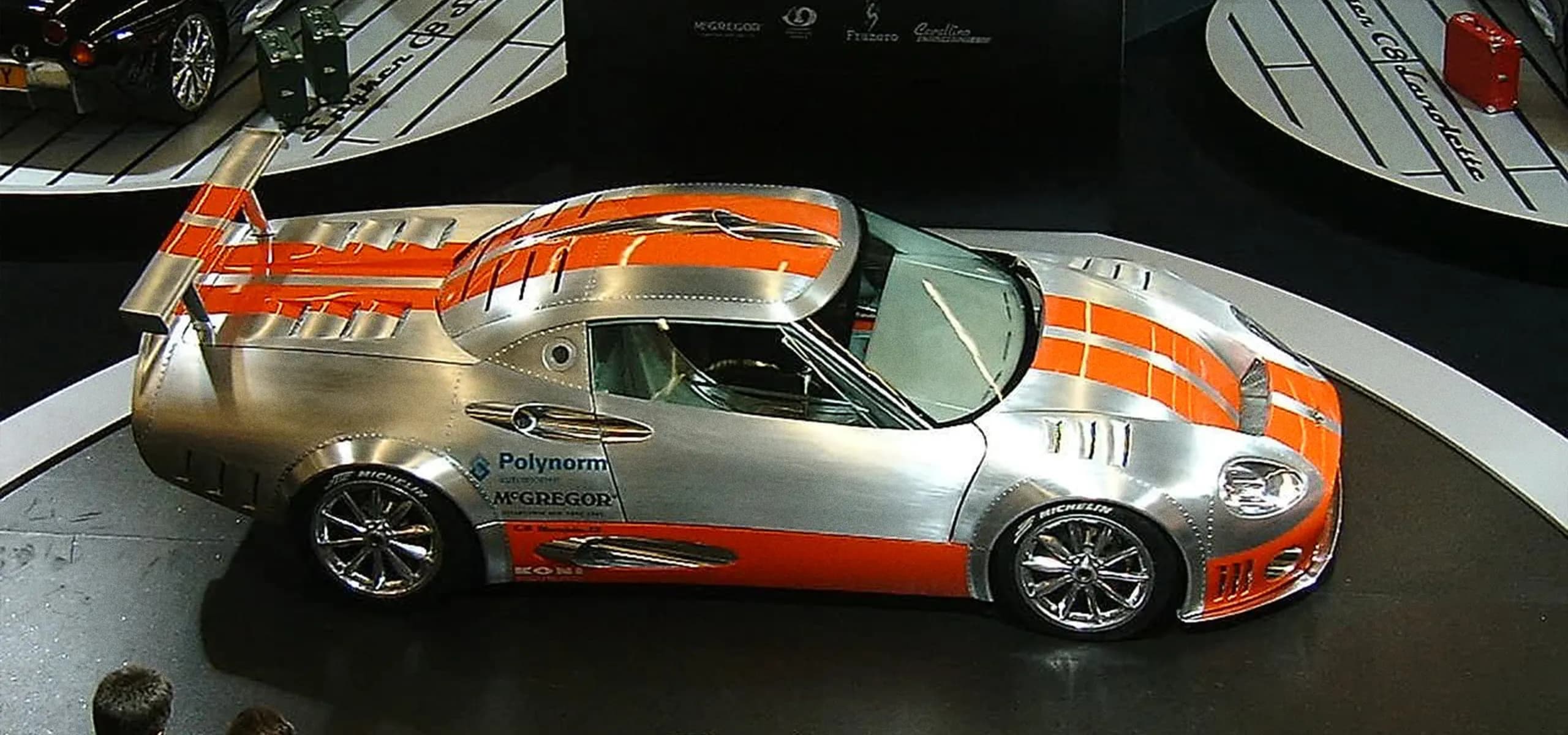
Spyker C8 Double12R
At the Frankfurt Motor Show, Spyker unveiled the C8 Double12R, developed specifically for international GT competition, a clear signal that the newly revived marque put its money where its mouth was: entering endurance racing at Le Mans.
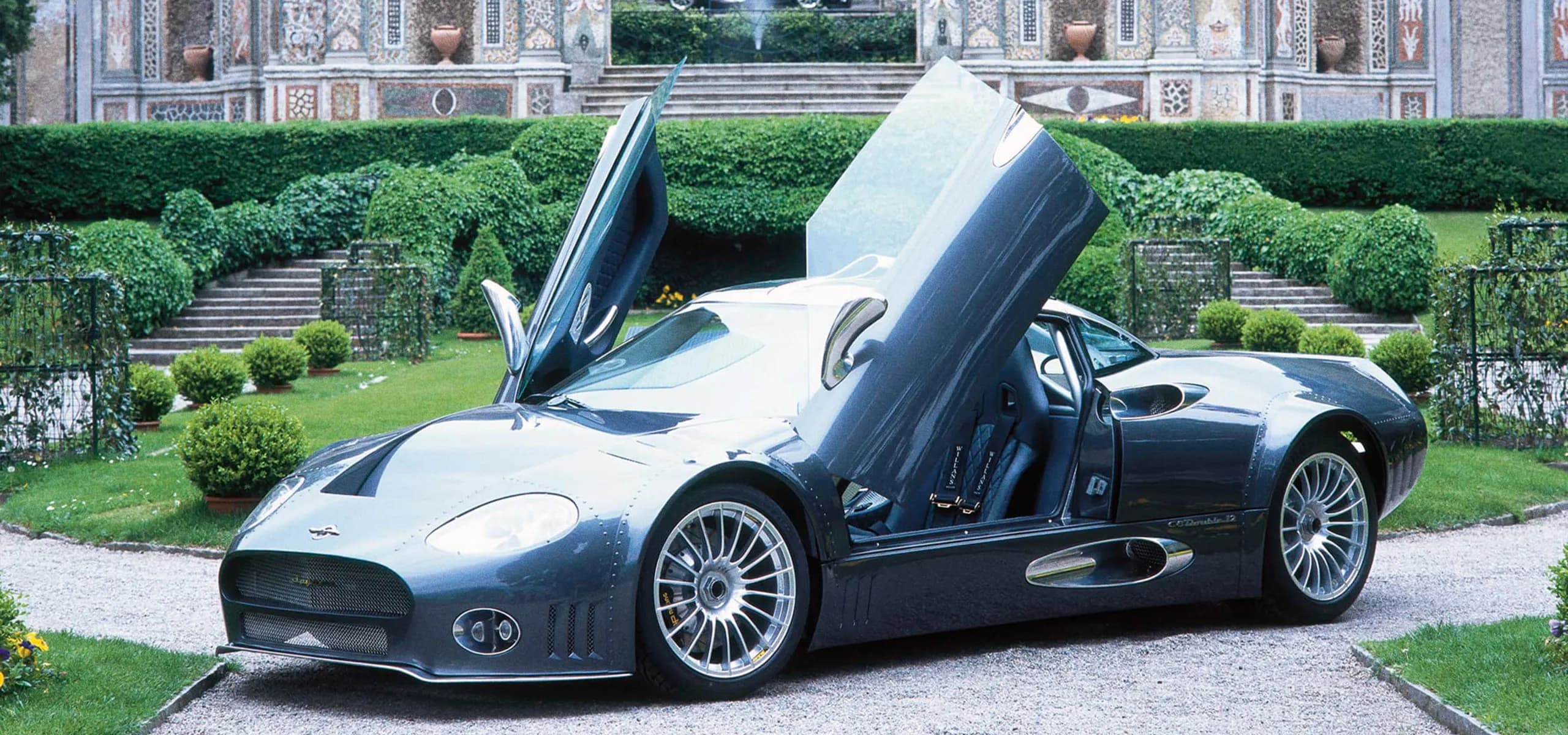
Spyker C8 Double12S
The road going version of the Spyker C8 Double12R was launched simultaneously as C8 Double12S. The handformed aluminium bodies had distinctive rivets clenching the wheel arch extensions to the body, a signature Spyker design feature for many years to come.
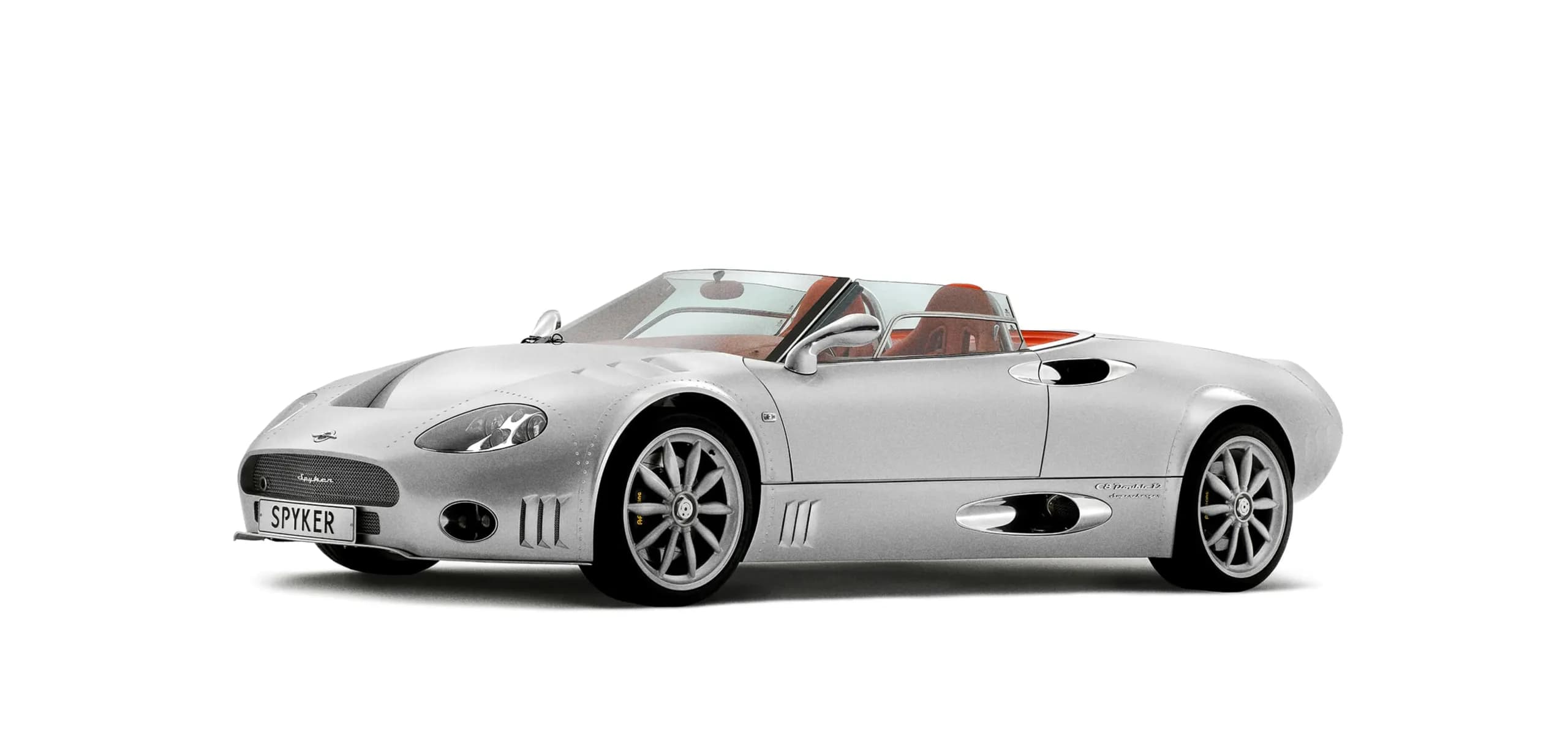
Double 12S Spyder
Spyker opened the long-tail design to the sky, pairing its extended, aerodynamic bodywork with an open driving position, so that nothing stood between the driver and the very thing the car had been built to master.
Launch C12 LaTurbie Spyder
Spyker opened the long-tail design to the sky, pairing its extended, aerodynamic bodywork with an open driving position, so that nothing stood between the driver and the very thing the car had been built to master.
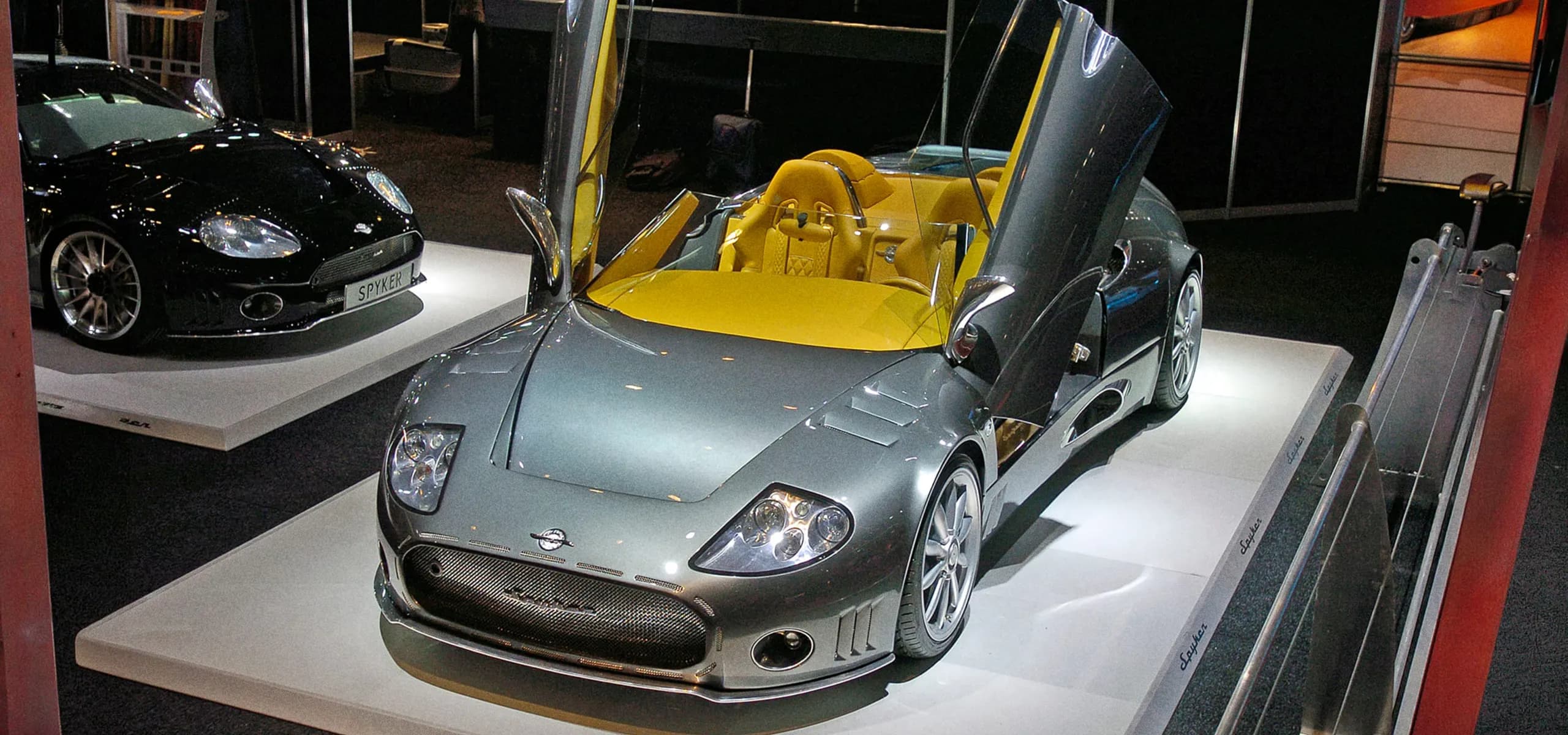
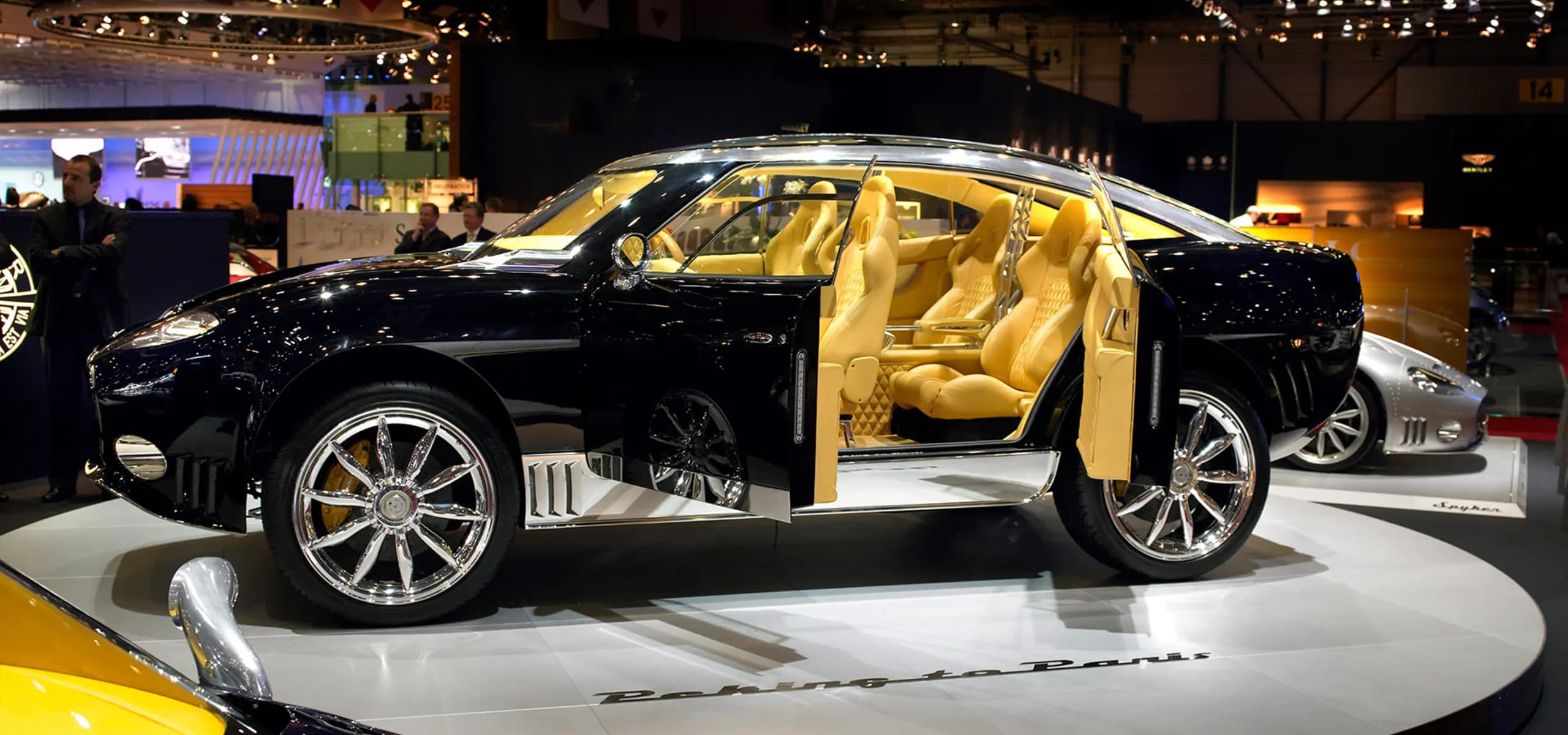
Spyker D12 Peking-to-Paris
Nearly a century after a Spyker first crossed a continent with no roads to speak of, the D12 Peking-to-Paris carried that name forward, a deliberate nod to the raid that first proved what this marque was capable of. Perhaps a decade or more ahead of its time. Spyker introduced the world’s first Super Sports Utility Vehicle (SSUV) at the Geneva Salon. The car caused a stir among the automotive community and paved the way for many high-end manufacturers years later.
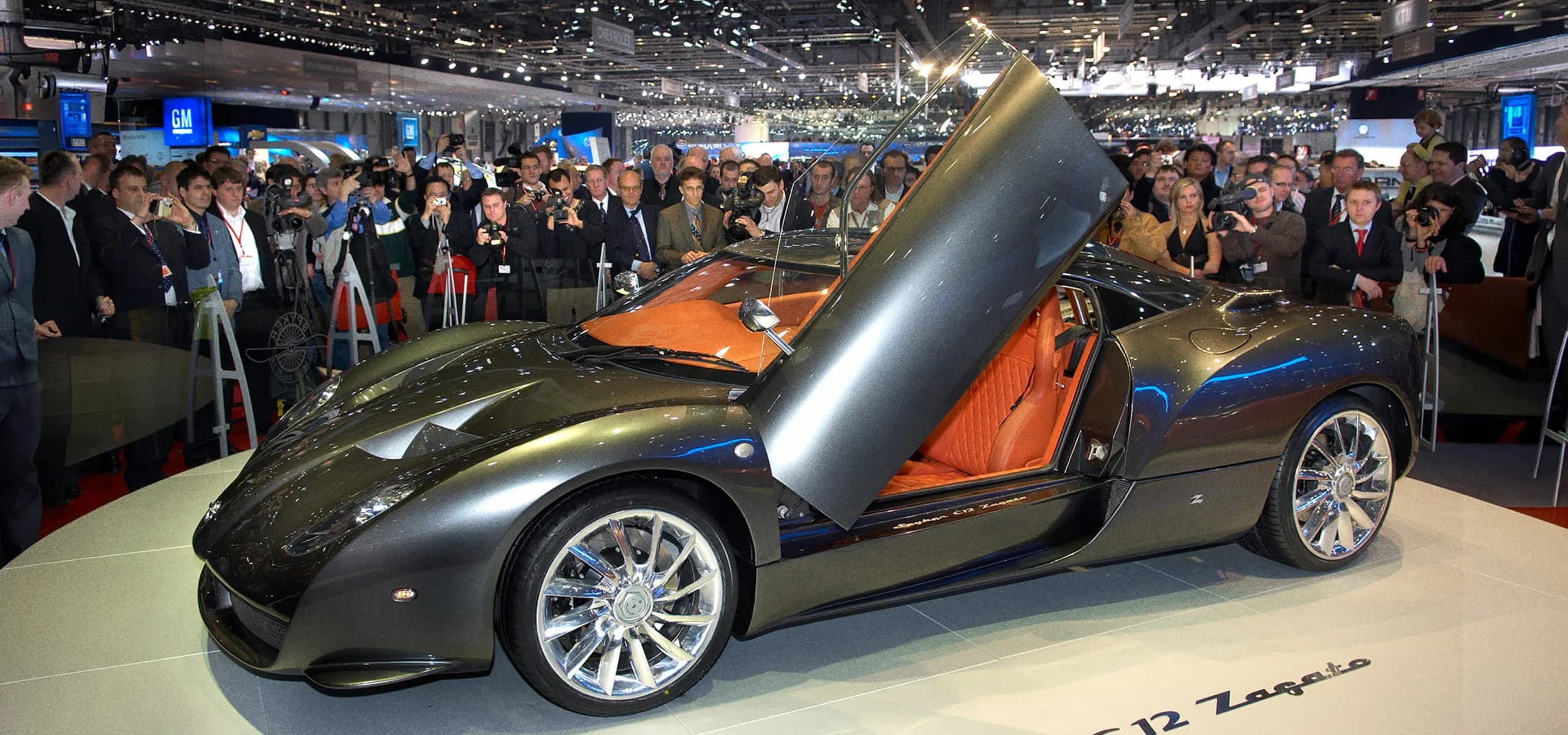
Spyker C12 Zagato
At the 77th Geneva International Motor Show, Victor R. Muller and Andrea Zagato presented the C12 Zagato concept, a meeting of two boutique brands that have never treated coachbuilding as a manufacturing step, but as a craft in its own right.
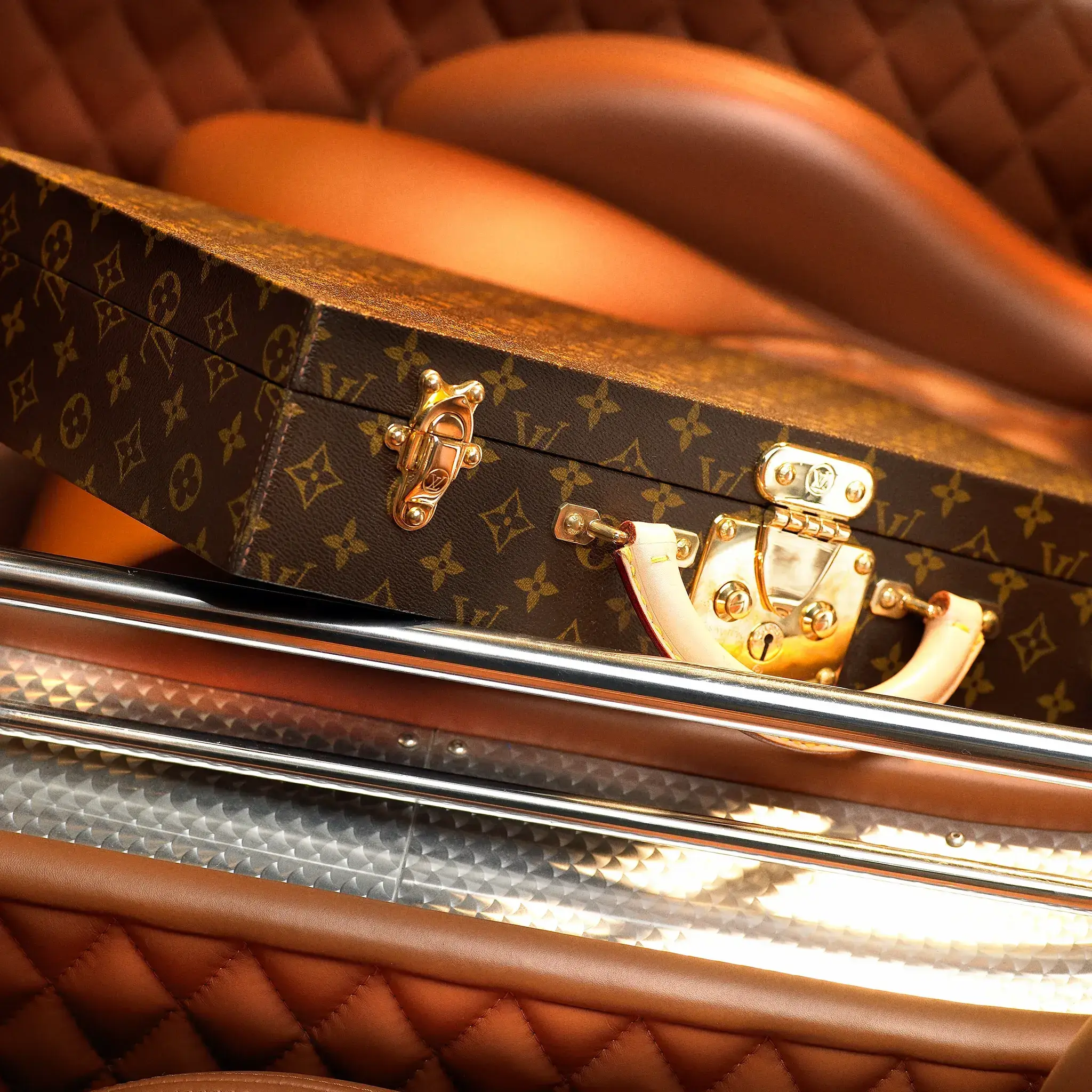
Louis Vuitton Bespoke Luggage
A century after Louis Vuitton first supported the Spyker 14/18HP Peking-to-Paris raid entry, the two brands came together again, this time to create a bespoke luggage set for the marque's owners. Some partnerships do not need reintroducing. They simply pick up where they left off.
Spyker C8 Aileron
The Aileron, introduced at the Geneva International Motor Show, carried the C8 platform into its next chapter, refined rather than reinvented, in keeping with a marque that has always preferred evolution over revolution. This second generation of Spyker’s used the design language of the fighter jet of which it took many design cues. Turbine wheels and inlets paid homage to Spyker’s aviation heritage.
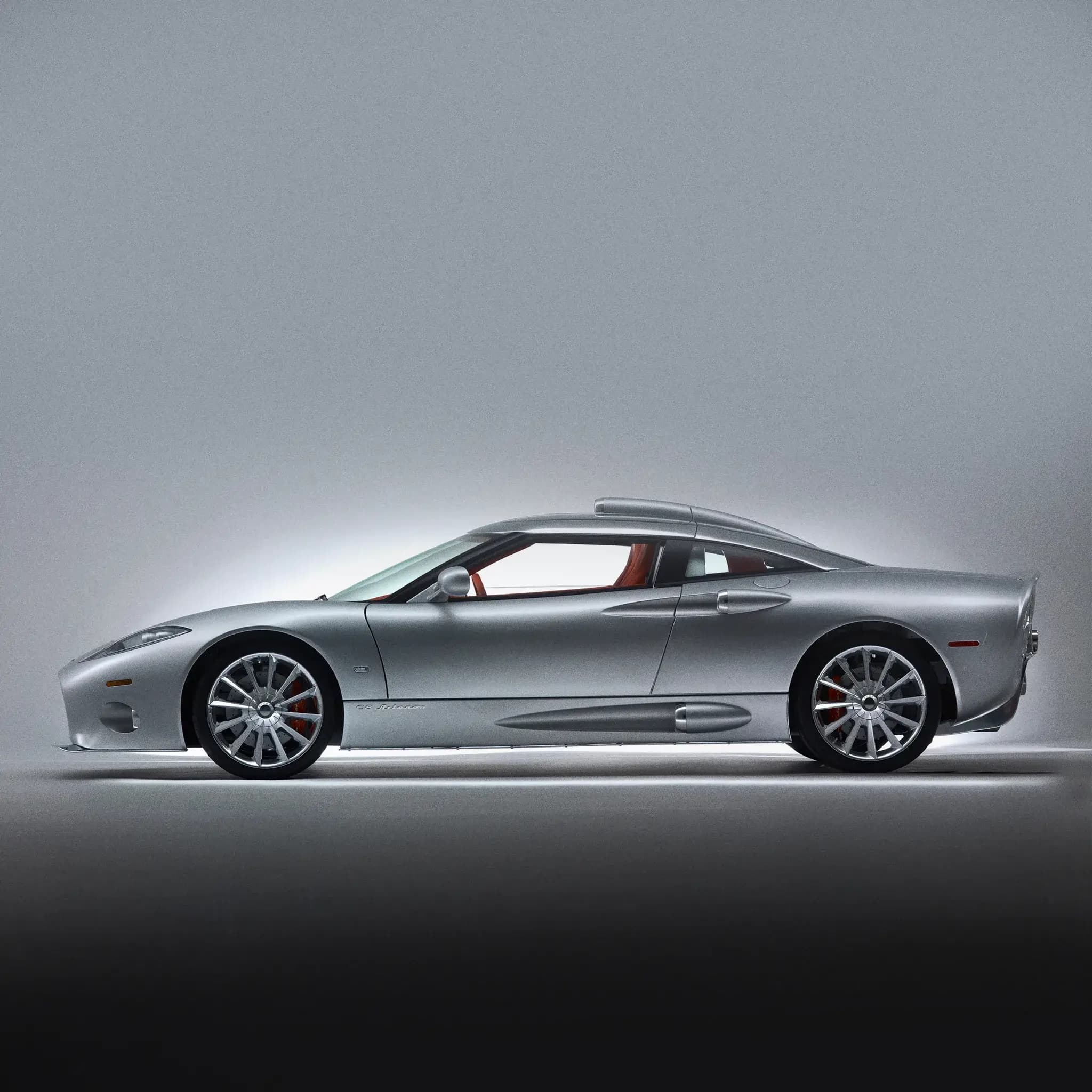
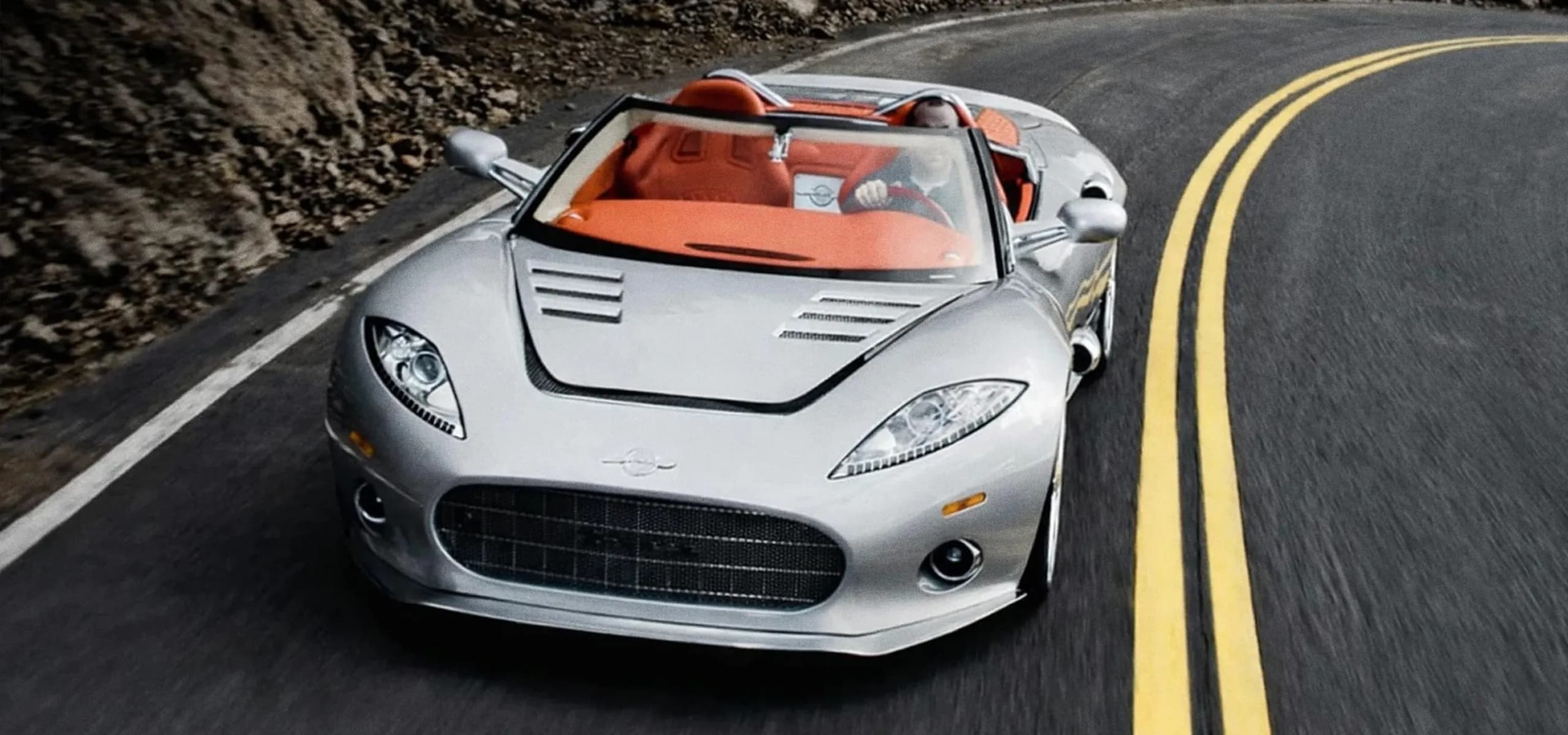
Spyker C8 Aileron Spyder
Unveiled at the Pebble Beach Concours d'Elegance in Carmel, California, the Aileron Spyder concept opened the C8 Aileron to the California light, a fitting stage for a car built to be enjoyed on the 17 Mile Drive, as well as on Rodeo Drive.
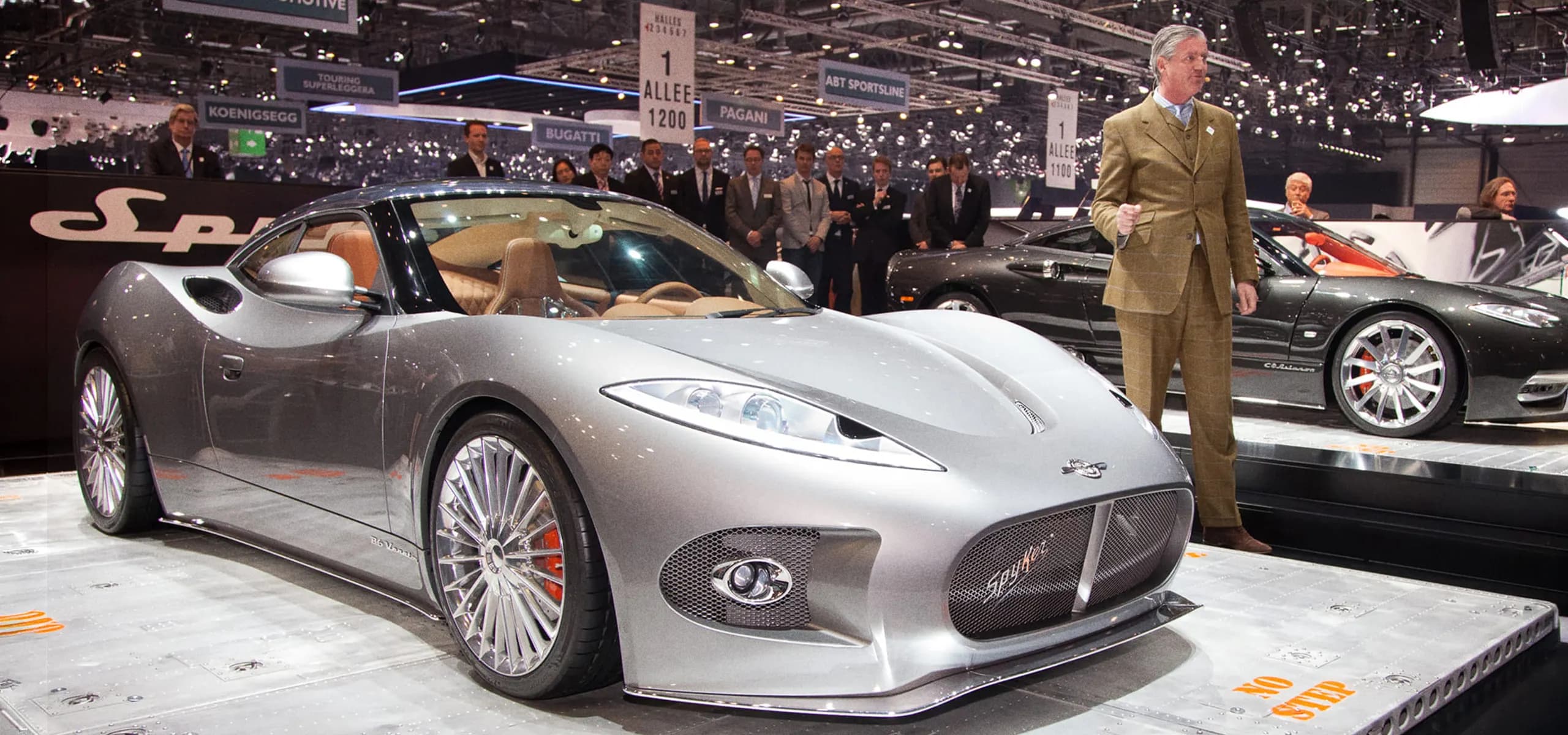
Spyker B6 Venator Concept
At the 83rd Geneva International Motor Show, Spyker introduced the B6 Venator, a distinctive new proposition within the high-luxury sports car segment, and a clear statement that the marque's ambitions extended well beyond a single model line.
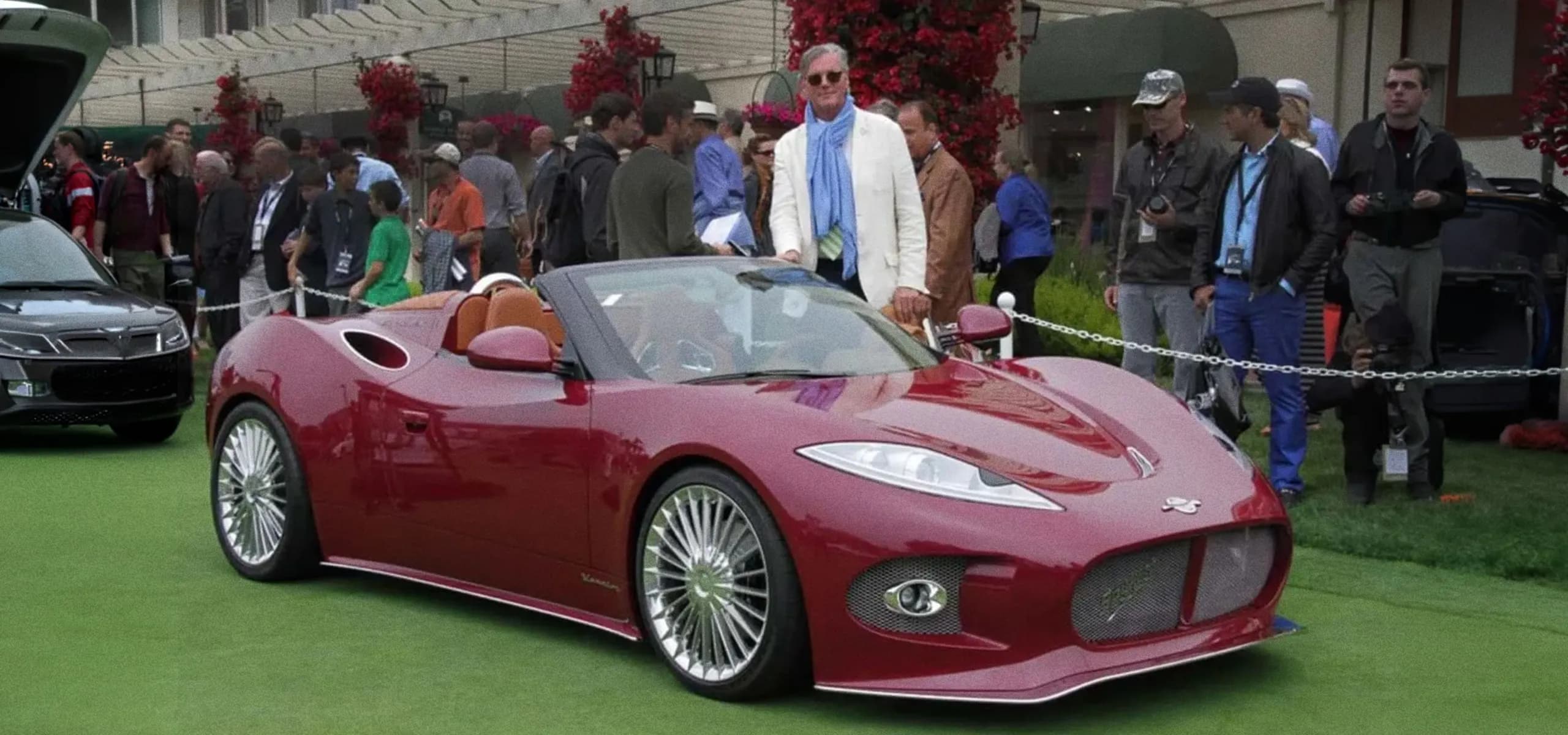
Spyker B6 Venator Spyder Concept
Presented later that year at The Quail Lodge during Monterey Car Week, the Spyder concept translated the coupe's lines into an open form without losing anything that made it recognisably Spyker.
Spyker C8 Preliator
Spyker unveiled the aviation-inspired C8 Preliator at the 86th Geneva International Motor Show in 2016, continuing the marque’s tradition of handcrafted sports cars.
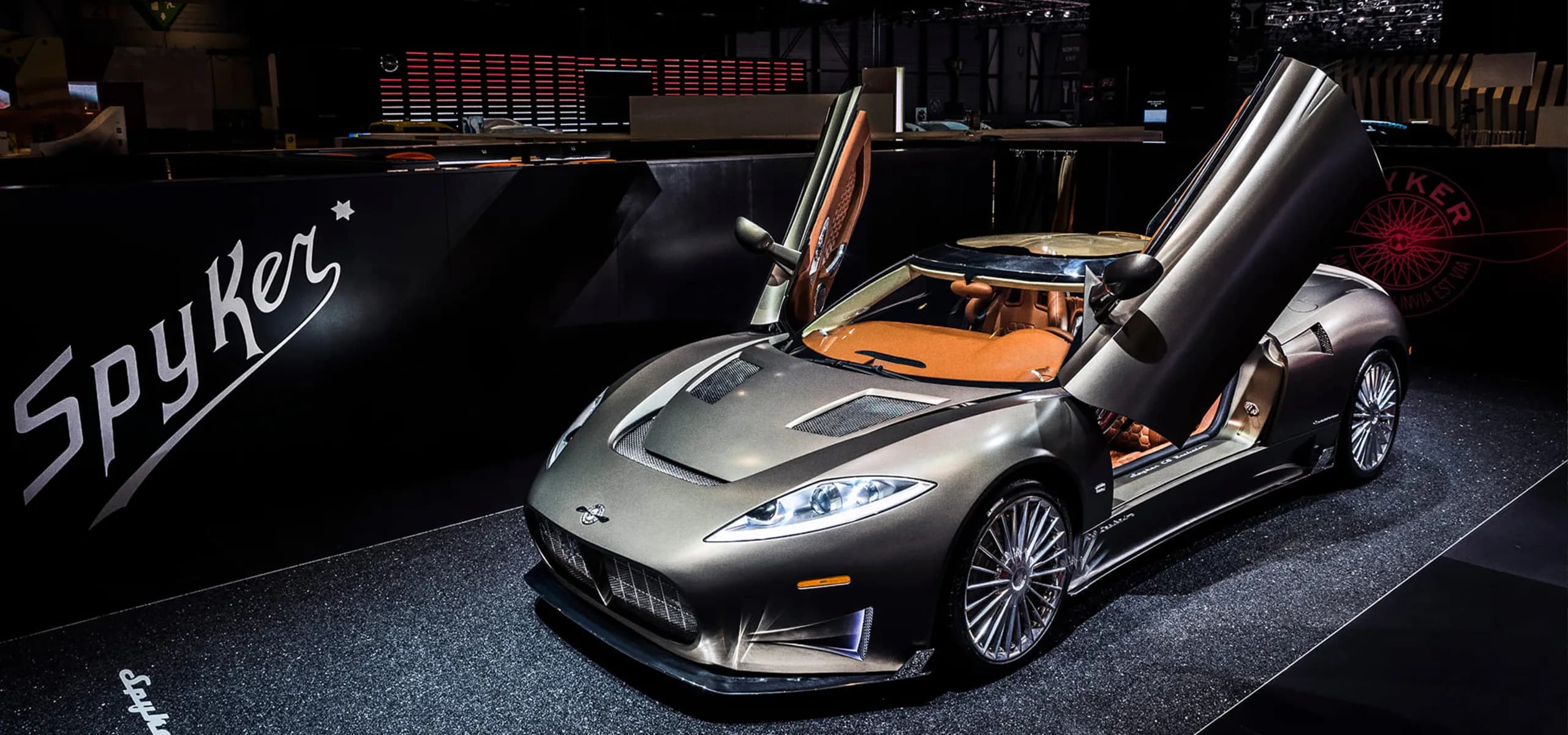
C8 Preliator Spyder
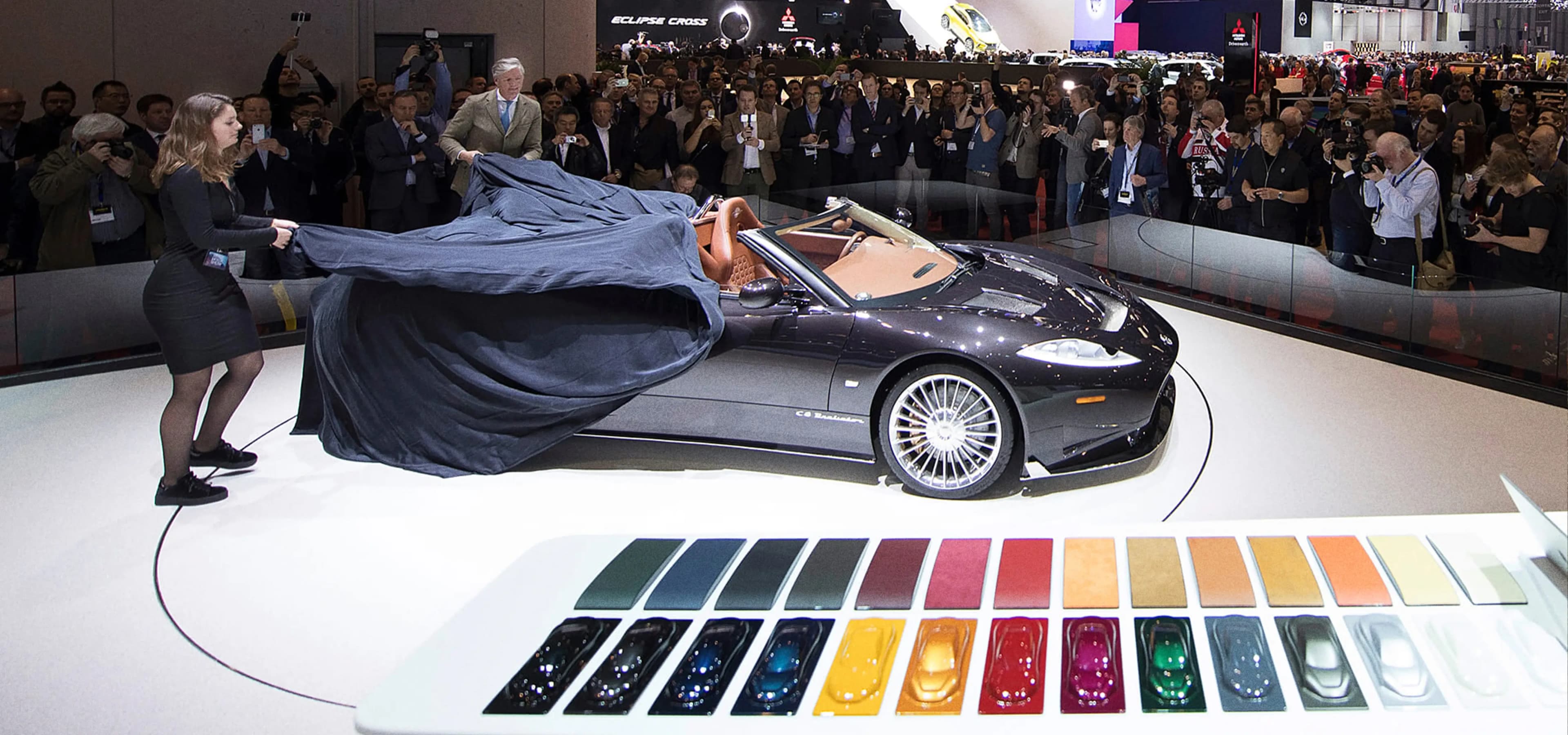
The Spyker C8 Preliator Spyder made its debut at the prestigious Geneva Motor Show 2017.
A new beginning
On 14 August 2026, Spyker unveiled its newest car at The Quail in Carmel-by-the-Sea. Nearly one hundred and fifty years after two blacksmith brothers first picked up their tools in Hilversum, the same conviction returns: Nulla Tenaci Invia Est Via, for the tenacious no road is impassable.
